
Scraper self-cleaning filters
A mechanical cleaning mechanism removes retained solids from the filter surface for discharge.
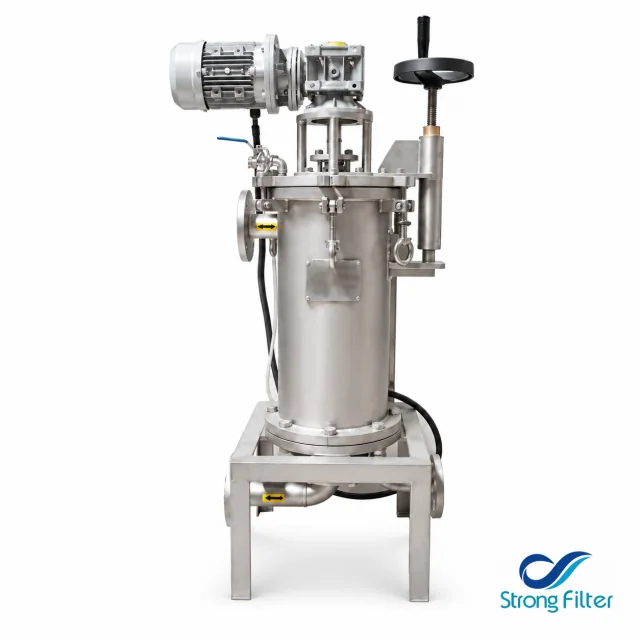
AI-enhanced reference views of similar equipment. Actual configuration follows the agreed specification.
Product overview
A mechanical cleaning mechanism removes retained solids from the filter surface for discharge.
- Product family
- Scraper self-cleaning filters
- Selection priorities
- Duty, filtration elements, dimensions, materials, interfaces and service conditions
Working principle
A mechanical cleaning mechanism removes retained matter from the filter surface for discharge. Performance depends on solids shape, adhesion and the fluid.
Construction & flow path
The filter surface, mechanical cleaner, drive and discharge path form the unit. Timed, differential-pressure or manual control is configuration-specific.
Applications & filtration duty
For duties with frequent element changes or online-cleaning needs. Verify removal and discharge, especially with adhesive or entangling solids.
Technical parameters
Use these specifications for selection. Materials, dimensions and operating conditions follow the selected model and agreed specification.
Selection information
- Fluid & viscosity
- Operating flow (m³/h)
- Operating / design pressure (MPa)
- Operating / design temperature (°C)
- Connection size & standard (DN / in)
- Contaminant characteristics
- Differential pressure & service trigger (MPa)
- Dimensions & service clearance (mm)
Model and configuration notes
Configuration for your applicationShare the fluid, filtration goal, operating conditions and installation requirements. Existing models, nameplates or drawings help us review the configuration.
Information to prepare for an inquiry
Use this family’s selection priorities to share available operating conditions, equipment information or drawings.
- Provide particle shape, adhesion, hardness and loading.
- Confirm drive, power and control-trigger needs.
- Review discharge volume, disposal limits and handling.
Operation & maintenance
Before opening, replacing elements or disassembly, stop and isolate under the equipment procedure, depressurize, drain and confirm zero pressure. Inspect cleaner wear, drive and discharge valves, and record pressure drop and discharge results. Automatic cleaning still requires planned maintenance.
Common operating inputs
- Fluid and major composition
- Target flow and operating pattern
- Operating temperature and pressure
- Contaminant form and target rating
- Material, connection and space constraints
- Maintenance frequency and existing equipment
Discuss this product’s configuration
Share the fluid, operating and installation conditions to review suitable specifications.
Products can be configured around the actual duty. Final specifications follow the quotation, drawing or technical agreement confirmed by both parties.
Related products
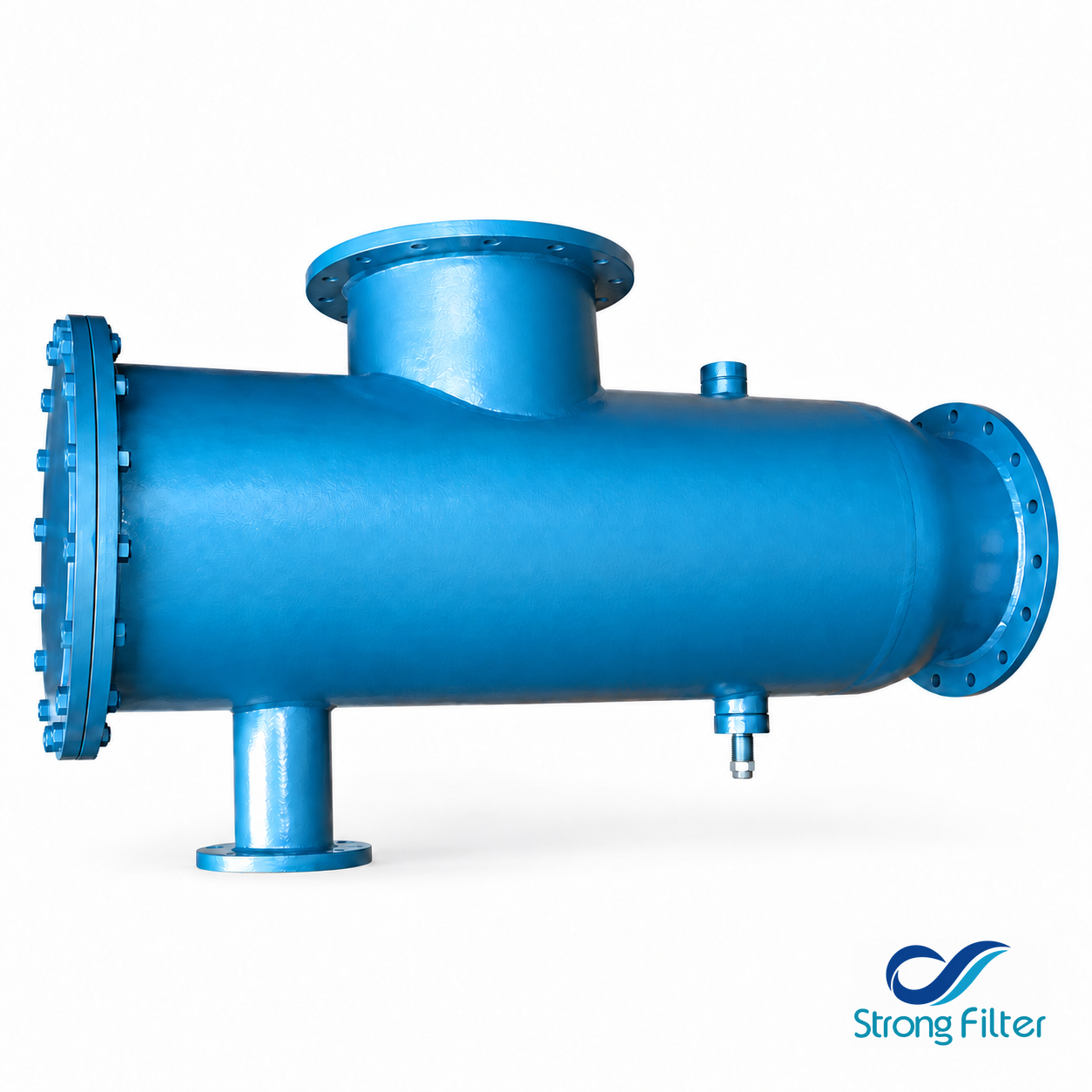
Angle-type backwash filters
Reverse-flow cleaning clears the filter surface; cleaning supply, valves and control are project-specific.
Learn morePCV Plastic Cartridge Filter Housing
A compact PP single-cartridge housing for lower-flow liquid duties, configured around length, connections and seals.
Learn moreSCV Single-cartridge Filter Housing
A compact single-cartridge housing that can be configured clearly around cartridge length, connections and installation space.
Learn more