
PCV Plastic Cartridge Filter Housing
A compact PP single-cartridge housing for lower-flow liquid duties, configured around length, connections and seals.
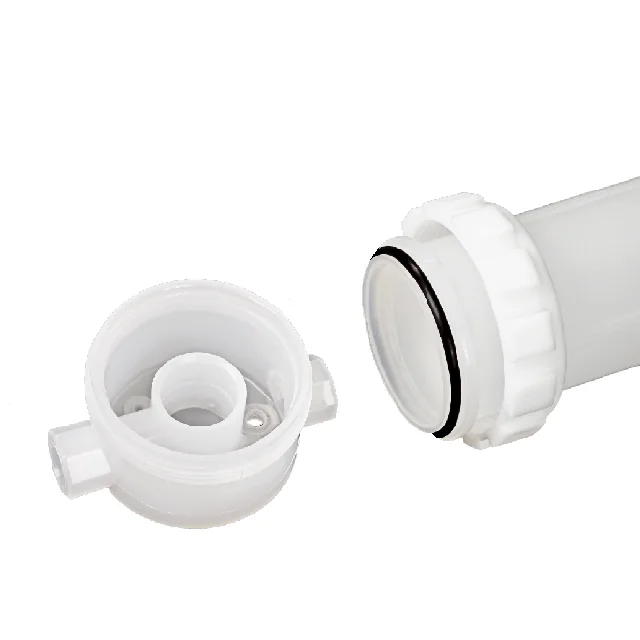 PCV
The gallery shows different views and construction details from this series.
Product overview
The PCV PP single-cartridge housing can be configured around 10 / 20-inch versions, connections and seal fields.
A compact PP single-cartridge housing for lower-flow liquid duties, configured around length, connections and seals.
- Series
- PCV
- Selection priorities
- Fluid compatibility, body material, temperature, pressure, connections, installation space and maintenance
Working principle
PCV houses one cartridge in a PP body for particle retention; the selected cartridge carries out the filtration duty.
Construction & flow path
Match the plastic body to element length, ends, connections and seals. Check housing and seal compatibility separately.
Applications & filtration duty
For lower-flow liquids or duties requiring PP wetted construction. Review throughput against the chosen cartridge and pressure loss.
Technical parameters
Use these specifications for selection. Materials, dimensions and operating conditions follow the selected model and agreed specification.
Materials & construction
- Body material and construction
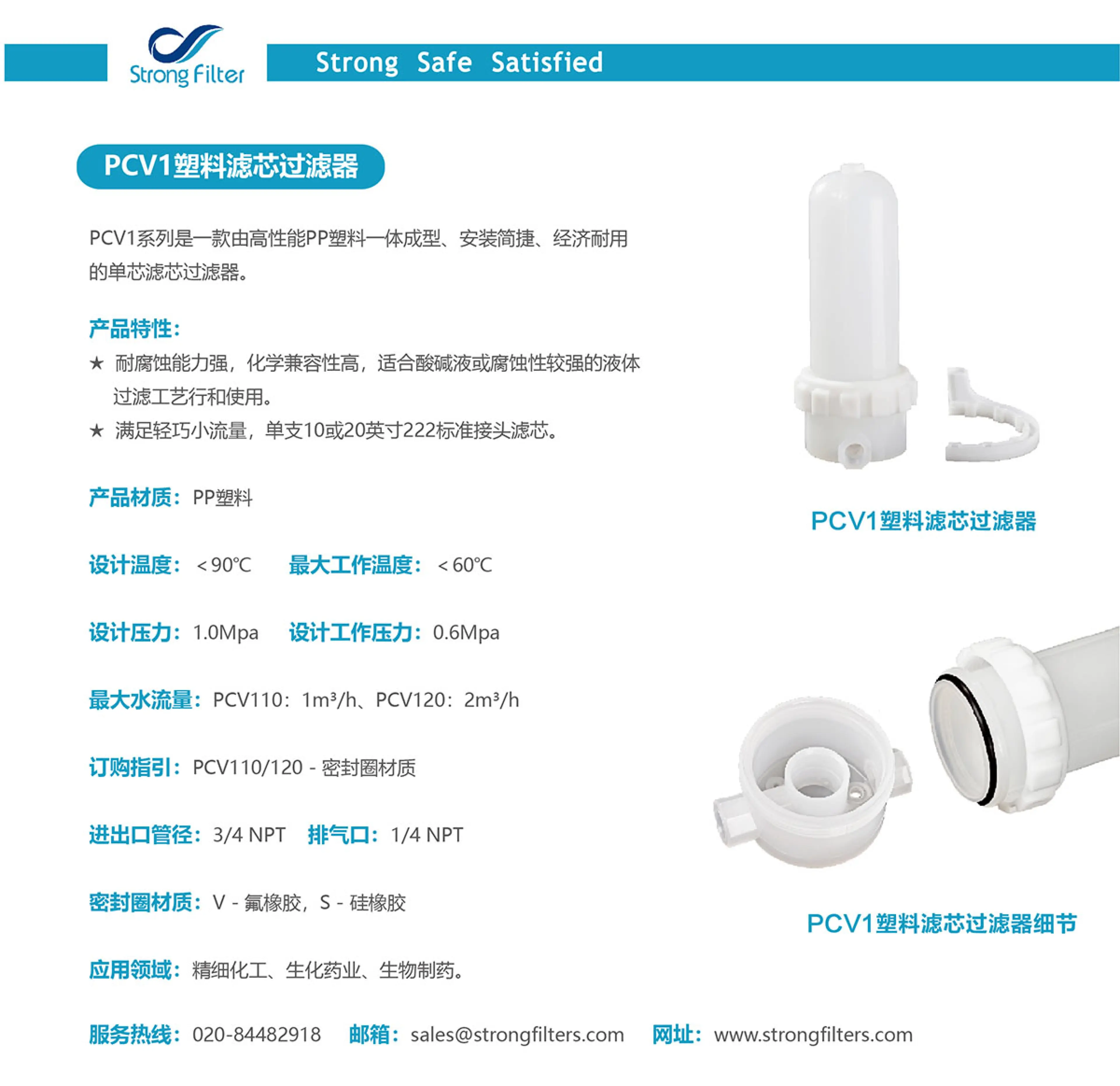
One-piece PP plastic single-cartridge housing.
- Seal-material codes
V=fluoroelastomer; S=silicone rubber.
Filtration specifications
- Cartridge quantity and lengths
One cartridge; PCV110 is 10 in and PCV120 is 20 in.
Operation & maintenance
- Design temperature
<90°C; distinguish from maximum operating temperature.
- Maximum operating temperature
<60°C.
- Design pressure
1.0 MPa.
- Operating-pressure reference
0.6 MPa; review temperature and pressure conditions for the selected model and agreed specification.
- Water-flow reference
Water-flow reference: PCV110 1 m³/h; PCV120 2 m³/h. Determine actual capacity from the cartridge, fluid, temperature and allowable differential pressure.
- Fluid and application review
For lower-flow liquid filtration; review chemical compatibility against composition, concentration, temperature and seals.
Connections & installation
- Cartridge end fitting
222 standard end fitting; confirm cartridge OD and seal compatibility against the model.
- Inlet and outlet connections
3/4 in NPT.
- Vent connection
1/4 in NPT.
Configuration & supply scope
- Ordering structure
PCV110 / PCV120 - seal material; supply follows the complete confirmed model.
- Ordering information
PCV110 / PCV120 identify different length options. Specify the complete model and seal configuration when ordering.
- Application directions
Fine chemicals / biochemical products / biopharmaceutical processing; review fluid compatibility, purity and process requirements.
Selection information
- Overall dimensions, installation dimensions and weight
Model and configuration notes
Series + cartridge quantity/length + material + pressure-grade field + connection + nozzle layoutThe ending digits are first matched to 10 / 20 / 30 / 40-inch length, with the preceding digits indicating cartridge quantity; each series remains document-specific.
Nozzle layout reference 1–15
Compare inlet and outlet directions to plan the connection to your pipework.
Opposite sides · level
Side in · bottom out
Side in · right elbow
Twin bottom ports
Bottom in · upper right
Opposite sides · high to low
Bottom in · upper left
Same side · high to low
Top in · bottom out
Top in · left elbow
Top in · lower right
Side in · return pipe
With return pipeOutlet defined by designRight in · bottom out
With return pipeSide in · lower left
With return pipeSide in · left elbow
With return pipe
View the product sheetReview specifications, ordering options and construction diagrams for your application.
Information to prepare for an inquiry
Use this family’s selection priorities to share available operating conditions, equipment information or drawings.
- Check PP compatibility with fluid, concentration and cleaners.
- Match element length, ends and seal material.
- Provide normal/upset temperatures and external piping loads.
Operation & maintenance
Before opening, replacing elements or disassembly, stop and isolate under the equipment procedure, depressurize, drain and confirm zero pressure. Inspect the body, threaded or fastening parts and seals. Avoid transferring piping weight to ports and check cartridge seating during changes.
Common operating inputs
- Fluid and major composition
- Target flow and operating pattern
- Operating temperature and pressure
- Contaminant form and target rating
- Material, connection and space constraints
- Maintenance frequency and existing equipment
Discuss this product’s configuration
Share the fluid, operating and installation conditions to review suitable specifications.
Products can be configured around the actual duty. Final specifications follow the quotation, drawing or technical agreement confirmed by both parties.
Related products
SCV Single-cartridge Filter Housing
A compact single-cartridge housing that can be configured clearly around cartridge length, connections and installation space.
Learn more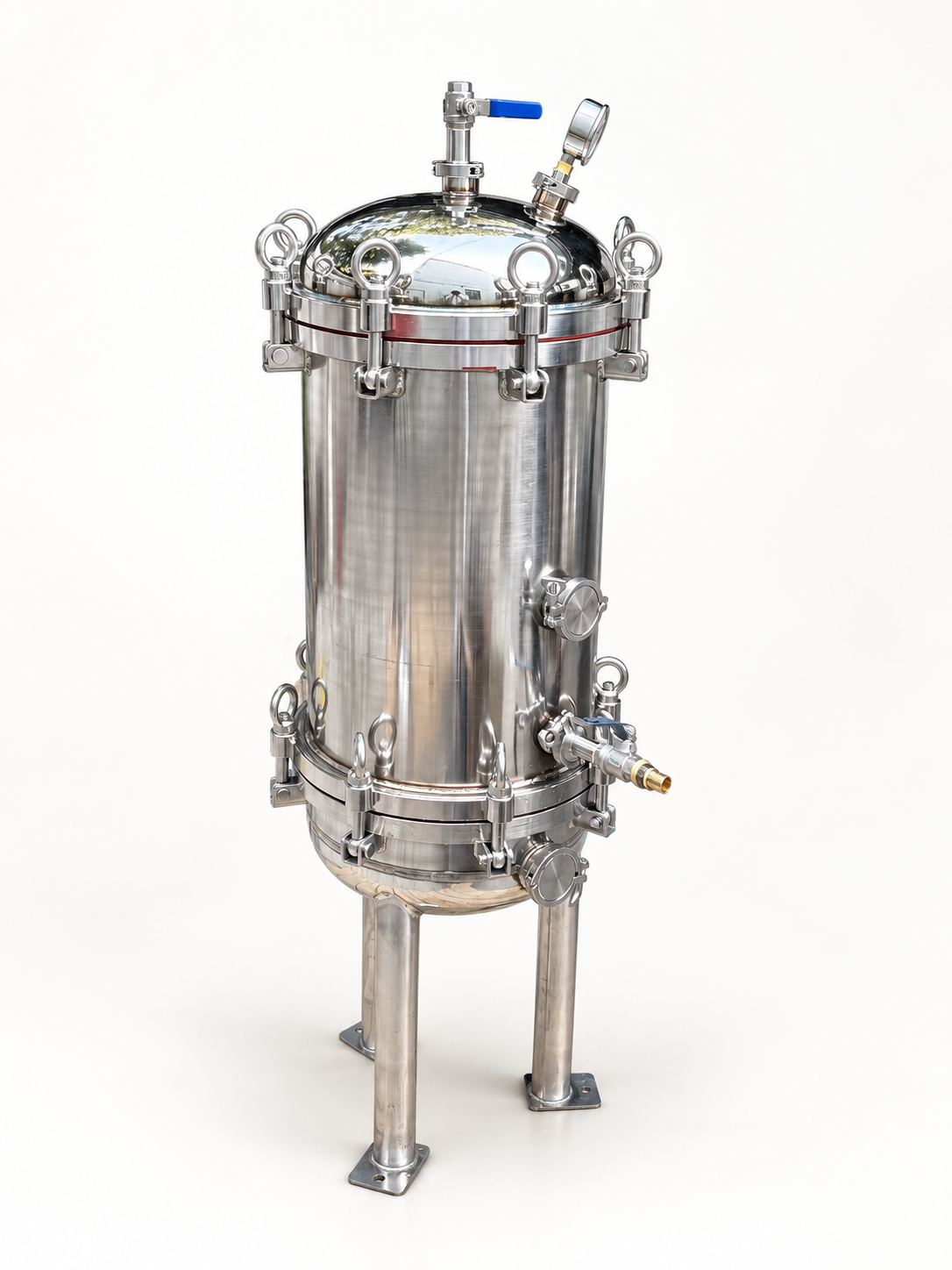
MCV Multi-cartridge Filter Housing
Multiple cartridges in parallel make it easier to scale filtration area and throughput around cartridge count, length and connections.
Learn more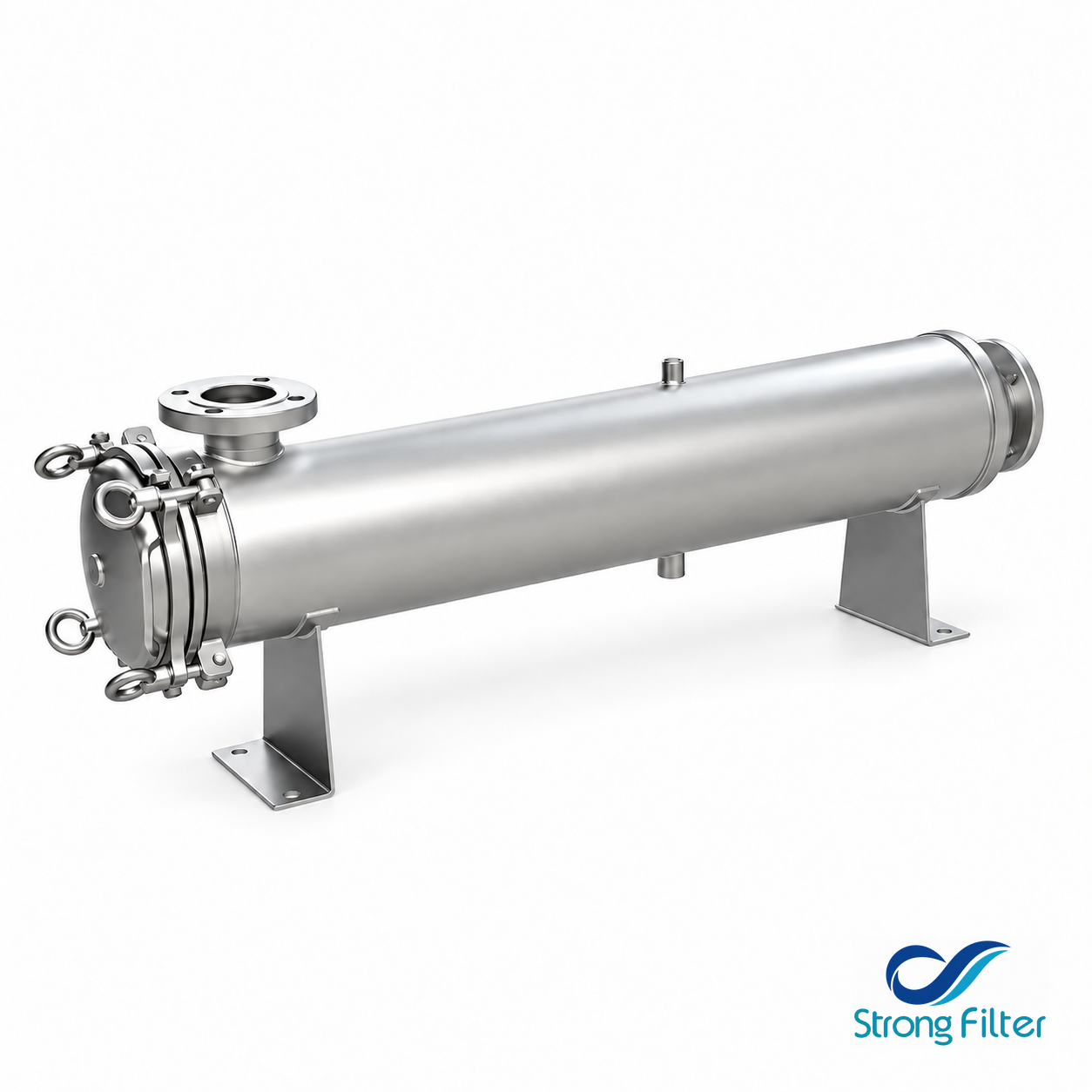
High-flow cartridge housings
A housing for high-flow cartridges, reviewed by cartridge interface, count, length and installation.
Learn more